The Gentleman Thief: A Legacy of Daring, Wit, and Unpredictability
In the vast tapestry of literary characters, few archetypes capture the imagination quite like the gentleman thief. This intriguing figure, a master of deception and charm, operates outside the law yet often adheres to a personal code of ethics, making him an anti-hero audiences can’t help but root for. But who is the quintessential character known as The Gentleman Thief? While several iconic figures fit the description, two names shine brightest: A.J. Raffles and Arsène Lupin.
From the pages of Victorian and early 20th-century literature, these elegant rogues emerged, redefining the concept of the criminal. They weren't mere villains; they were artists of larceny, intellectuals with a penchant for high-stakes heists, and above all, masters of disguise and wit. Their tales are not just about theft but about social commentary, intricate puzzles, and the thrilling dance between predator and pursuer.
The Allure of the Elegant Rogue: Why We Love the Gentleman Thief
What is it about a criminal who operates with such panache that makes them so endearing? The appeal of the gentleman thief lies in a complex blend of traits that defy conventional morality. They are often portrayed as charismatic, intelligent, and impeccably dressed, presenting a stark contrast to the gritty, often violent criminals of typical crime fiction. This archetype embodies a certain fantasy: the ability to outsmart the system, to acquire wealth or exact justice through cleverness rather than brute force. They challenge authority, often targeting the corrupt or the undeserving rich, thereby blurring the lines between right and wrong.
Moreover, the gentleman thief often possesses a hidden depth, a moral compass that, while unconventional, guides their actions. They might steal jewels, but they rarely resort to violence, and sometimes even return items, or use their ill-gotten gains for philanthropic purposes. This nuanced characterization allows readers to reconcile their admiration for the thief's skills with their own sense of justice, creating a thrilling and morally ambiguous narrative experience.
A.J. Raffles: The Original Sporting Burglar
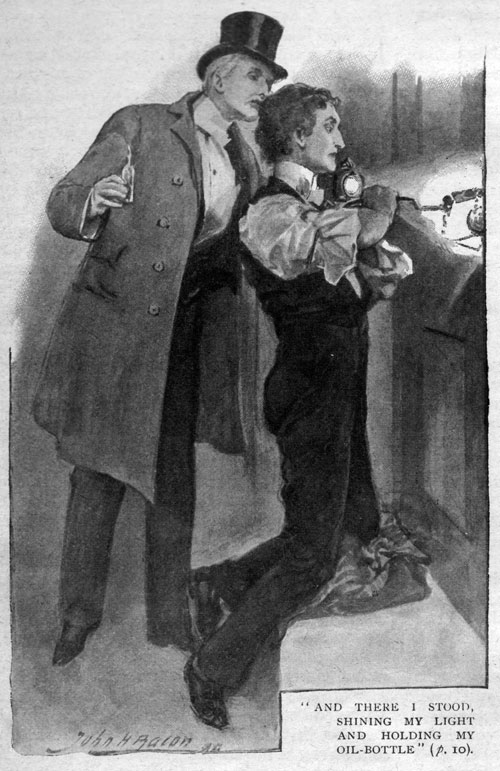
When considering the character known as The Gentleman Thief, Arthur J. Raffles often comes to mind as the pioneering figure. Created by E.W. Hornung, the brother-in-law of Arthur Conan Doyle (creator of Sherlock Holmes), Raffles made his debut in 1898. Hornung, a devoted fan of his brother-in-law's detective, reputedly sought to create an inverse character – a brilliant criminal who could rival Holmes in intellect but stood on the opposite side of the law.
Raffles is a celebrated amateur cricketer, a gentleman living in the Albany in London, whose public persona is one of an impeccable, charming, and respectable member of society. His secret life, however, involves meticulously planned burglaries of the wealthy and often unscrupulous elite. Accompanied by his loyal sidekick, Bunny Manders, Raffles executes his heists with surgical precision, relying on his athletic prowess, keen intellect, and mastery of disguise.
His stories are less about the thrill of the chase and more about the elegance of the execution and the wit required to evade detection. Raffles embodies the very essence of the "sporting burglar," viewing his criminal exploits almost as a game, a test of his mental and physical faculties. His enduring popularity is reflected in his frequent appearance in popular culture, often referenced as the definitive character known as The Gentleman Thief, even appearing as the 7-letter answer for crossword clues like the one seen in The Sun's February 10, 2026 puzzle.
Arsène Lupin: France's Dashing Master of Disguise
Across the English Channel, Maurice Leblanc introduced the world to his own masterful creation in 1905: Arsène Lupin. A stylish, dashing French character brimming with daring, charm, and an unparalleled panache, Lupin quickly earned the title of literature’s greatest gentleman thief and detective. Leblanc initially conceived Lupin after being asked to contribute a short story in the vein of Sherlock Holmes, ironically leading to a fascinating literary crossover.
Lupin's initial appearance saw him cross paths with none other than the famous Baker Street detective in a tale titled "Sherlock Holmes arrives too late." Due to legal objections from Sir Arthur Conan Doyle, the British master sleuth's name was famously altered to Herlock Sholmes, or later Holmlock Shears in English publications. This rivalry became a cornerstone of Lupin's narrative, elevating the stakes and showcasing the thief's incredible intellect against a formidable opponent. For a deeper dive into Lupin's origins and character, check out our article: Arsene Lupin: Maurice Leblanc's Dashing Gentleman Thief.
The Battle of Wits: Lupin vs. Sholmes
One of the most enthralling aspects of the Lupin series is his recurring confrontations with Holmlock Shears (or Herlock Sholmes). Their encounters are not merely cat-and-mouse games but intricate ballets of intellect, foresight, and psychological warfare. In books like Arsène Lupin versus Herlock Sholmes, which features two long stories, "The Fair-haired lady" and "The Jewish lamp," Leblanc masterfully pits the two geniuses against each other.
Consider "The Fair-haired lady," where Inspector Ganimard, suspecting Lupin and his accomplice, finds himself outmatched and enlists the services of the English detective. Holmlock Shears proves to be a perfect match, as smart and alert as Lupin himself. The combat and fight between them are written with mystifying twists and unpredictable turns, executed with such precision and elegance that they offer readers a profound sense of satisfaction. The beauty lies in the graceful and refined ways both enemies operate, turning crime fiction into an intellectual spectacle.
Lupin is a master of disguise, seamlessly adopting new identities and maintaining a jovial demeanor even in the face of danger. His witty dialogue and philosophical musings add layers of fun to the crime fiction genre. His famous vegetarianism, for instance, humorously reveals his pragmatic approach to life: "'Do you mean you are still vegetarian?' 'Yes more than ever,' said Lupin. 'From taste? Conviction? Habit?' 'For reason of health.' 'And do you never break your rule?' 'Óh yes …. When I go out to dinner, so as not to appear eccentric.'" This exchange perfectly encapsulates his charm and readiness to adapt.
The narratives featuring Lupin and Sholmes are page-turning mysteries, meticulously woven with humor and intricate logic. Leblanc’s writing ensures that the battles of wits between the greatest burglar and the smartest detective keep readers hooked from beginning to end. To understand the depth of their rivalry, explore our article: Lupin vs. Sholmes: The Ultimate Duel of Wit and Mystery.
Beyond the Page: The Enduring Legacy and Modern Interpretations
The legacy of the character known as The Gentleman Thief extends far beyond the early 20th century. Both Raffles and Lupin have profoundly influenced countless fictional characters in literature, film, television, and even video games. Their traits – the cunning intellect, the impeccable style, the moral ambiguity, and the mastery of disguise – have become staples of the heist genre and detective fiction.
From Cary Grant's character in To Catch a Thief to the elaborate schemes in the Ocean's Eleven series, the spirit of the gentleman thief lives on. Arsène Lupin, in particular, has seen a massive resurgence in popularity thanks to the successful Netflix series Lupin, which reimagines his adventures in modern-day Paris, proving the timeless appeal of Leblanc's creation. This enduring relevance speaks to the universal fascination with characters who navigate the blurred lines of legality with style and intelligence, often exposing the "cheats and tricks of history" and societal injustices along the way.
Tips for Aspiring Gentleman (or Gentlewoman) Thieves (of Literature):
- Embrace Complexity: A true gentleman thief isn't purely good or evil. Explore their motivations, their code, and their flaws.
- Master Disguise and Deception: Beyond physical changes, think about psychological disguises – manipulating perceptions, expectations, and trust.
- Precision is Key: Whether planning a heist or constructing a narrative, meticulous detail and logical consistency are paramount.
- Wit and Charm: A sharp tongue and a captivating personality are as important as lock-picking skills.
- Social Commentary: Use your thief to highlight societal issues, expose corruption, or challenge norms.
Conclusion
The archetype of the gentleman thief, exemplified by the likes of A.J. Raffles and Arsène Lupin, represents a pinnacle of literary charm and ingenious plotting. These characters, each in their unique way, became the definitive character known as The Gentleman Thief, captivating generations with their daring exploits, sharp intellect, and ethical complexities. They remind us that sometimes, the most intriguing heroes operate just outside the bounds of conventional morality, using their exceptional talents to carve their own path and, in doing so, leave an indelible mark on the literary world and beyond. Their stories are a testament to the enduring power of wit, style, and the thrill of the unexpected.